
Hand in Hand

Completed
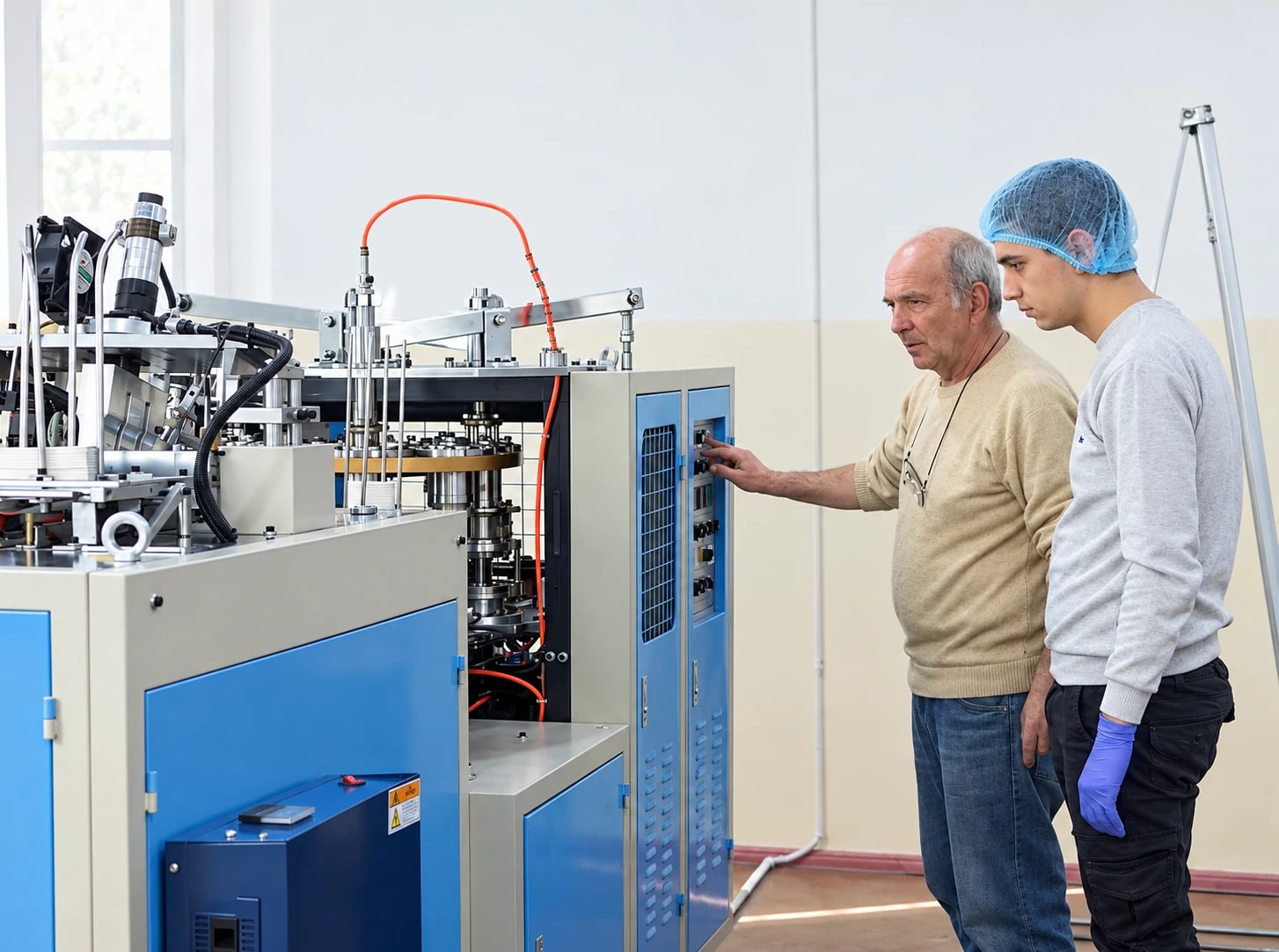
A mentor showing a Hand in Hand participant the controls of the paper cup machine

Summary

The Hand in Hand project was implemented by Step Forward Social NGO with financial support from the Izmirlian Foundation to create employment and income-generating opportunities for young people with autism spectrum disorder while supporting their social inclusion and independence. The initiative responded to the limited employment opportunities available to young adults with autism in Armenia, particularly after they transition out of child-focused rehabilitation and support programmes.

The project established a social enterprise for the production of environmentally friendly paper products, creating an adapted working environment in which young people with autism could acquire practical vocational skills and participate in meaningful employment.

Related stories

Gallery

Related projects

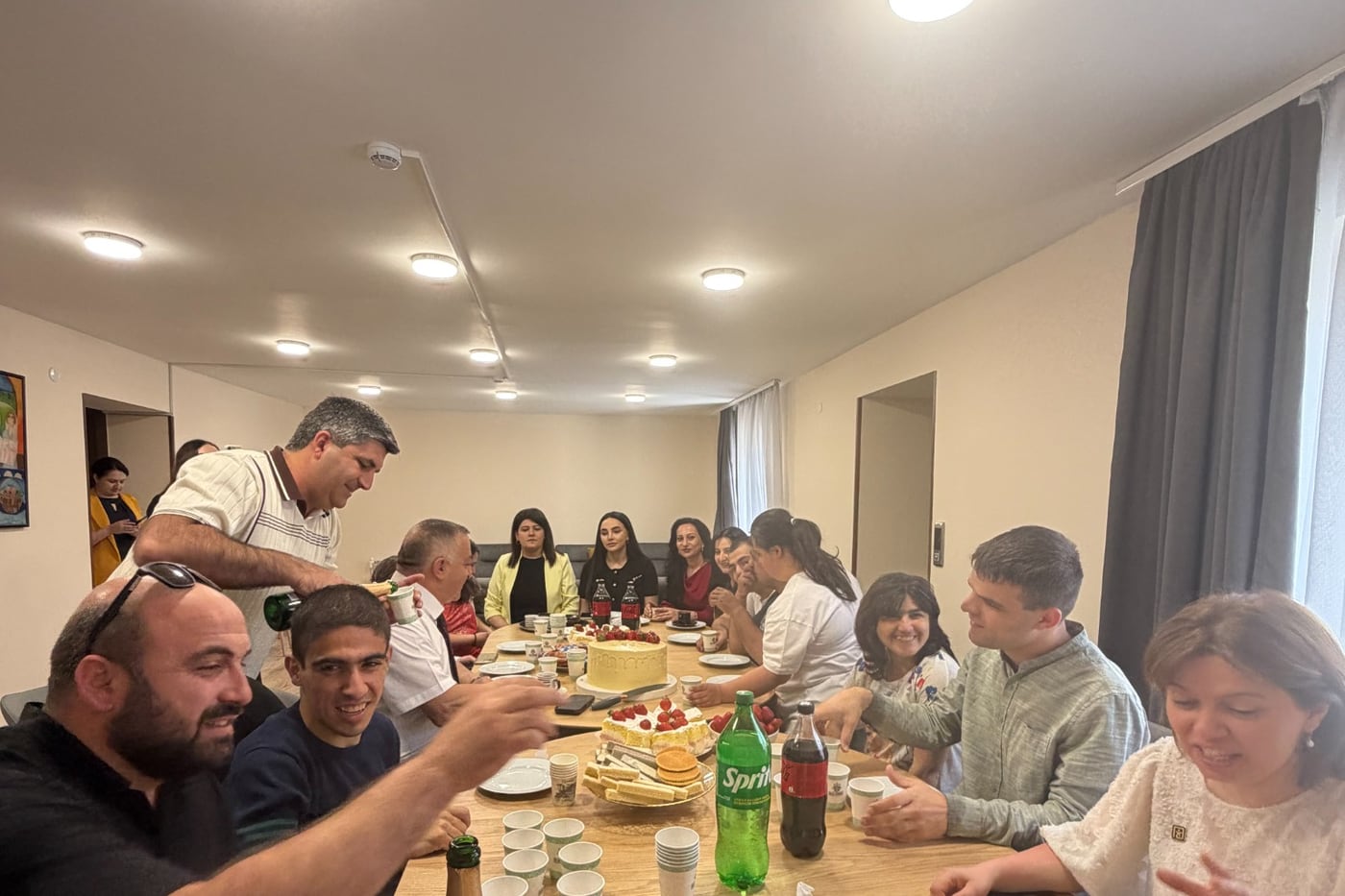
Residents and staff sharing a meal in the community small group home
Flagship
Social Inclusion and EmpowermentOngoing

Access to community small group homes and social care for graduates of population social protection institutions

Community Small Group Homes: Creating a Pathway from Institutional Care to Independent Living Supporting children and young people with disabilities has become one of the Izmirlian Foundation’s flagship areas of engagement, shaped by more than two decades of experience, emerging needs and persistent gaps in Armenia’s social care system.
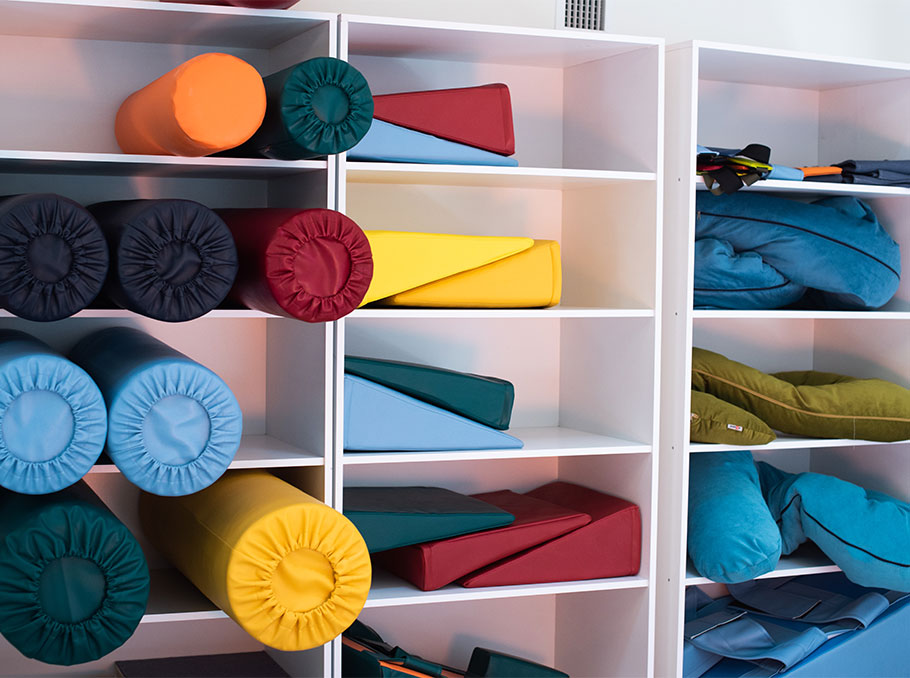
“Guyqadaran” Special Equipment Library
Social Inclusion and EmpowermentOngoing

Guyqadaran – A Special Equipment Depository

The “Guyqadaran” Special Equipment Library is a multi-phase initiative of the Izmirlian Foundation and Source Foundation designed to improve the quality of life of children with disabilities and their families by providing access to therapeutic equipment and positioning devices needed for continuous rehabilitation. The model responds to an important gap: while parents are often taught therapeutic techniques that can be continued at home, specialized equipment may be unavailable or unaffordable. The project introduced a shared equipment library model, allowing families to temporarily borrow therapeutic and positioning devices according to a child’s individual needs and return them when they are no longer required, so that the equipment can subsequently benefit another child.